
Smart packaging solutions are transforming food and beverage by ensuring safety, extending shelf life, and creating direct consumer engagement channels that drive measurable ROI.
You’ve just completed a major product launch, only to face a costly recall. The issue wasn't contamination, but a subtle temperature excursion during transit that compromised your product's quality. Traditional packaging offered no warning. This silent failure erodes brand trust and destroys margins. Smart packaging solutions exist to prevent exactly this scenario, moving beyond passive containment to active protection and intelligent communication.
- Smart packaging is a spectrum: 'Active' systems (e.g., oxygen scavengers) protect the product, while 'Intelligent' systems (e.g., sensors) communicate its status.
- Regulatory compliance is the baseline; the real value lies in supply chain visibility and direct-to-consumer data collection.
- ROI extends beyond shelf-life extension to include recall prevention, marketing attribution, and supply chain optimization.
- Food safety is non-negotiable; all smart components must be approved for indirect food contact and integrated by certified manufacturers.
- Partner selection is critical; look for expertise in material science, electronics integration, and scalable, compliant production.
What Makes Packaging 'Smart'? Key Technologies Explained
Smart packaging integrates functional components that actively monitor, protect, or communicate. It's not a single technology but a toolkit. The core categories are active and intelligent packaging, each serving distinct purposes.
Active packaging systems interact with the product's internal environment to extend shelf life. Common technologies include oxygen scavengers (sachets or labels that absorb residual O2), moisture absorbers, and antimicrobial films that inhibit microbial growth. These are preventative measures, working continuously from the moment of sealing.
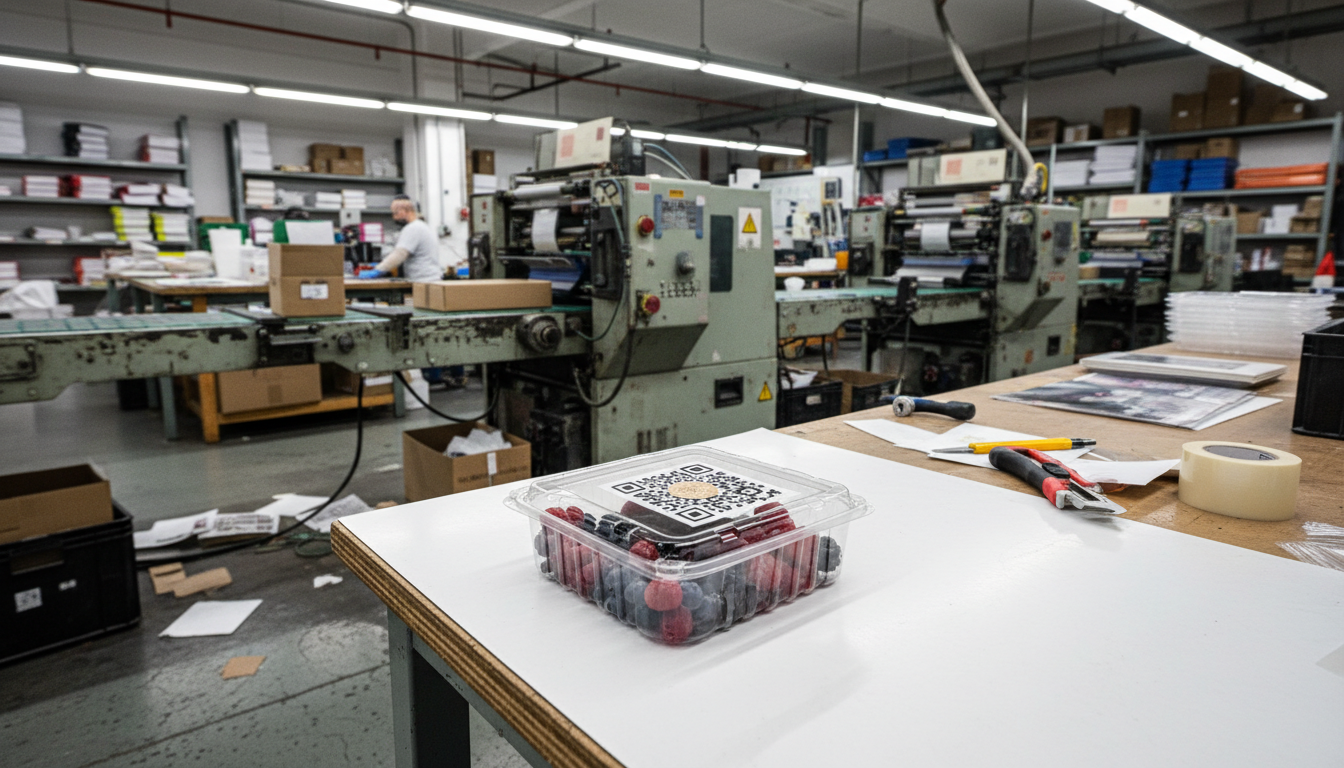
Intelligent packaging, or smart food packaging technology, monitors and communicates. It uses indicators, sensors, and data carriers to provide information. Time-Temperature Indicators (TTIs) are adhesive labels that irreversibly change color based on cumulative temperature exposure. Freshness sensors can detect spoilage metabolites like ammonia or hydrogen sulfide. Data carriers like QR codes, NFC tags, and RFID enable connectivity, turning a package into a digital touchpoint.
"The shift is from 'packaging as cost' to 'packaging as platform.' A simple NFC tag can be a compliance tool, a brand storyteller, and a direct sales channel, all in one." – Packaging Technology Director
How Smart Packaging Ensures Food Safety & Regulatory Compliance
Smart packaging provides auditable, real-time proof of safety and quality. For brands, this transforms compliance from a reactive paperwork exercise into a proactive, data-driven assurance system.
Regulations like FSMA in the US emphasize preventive controls and traceability. Time-temperature indicators offer immediate visual proof of cold chain integrity, far more reliable than a logistics provider's paperwork. Anti-counterfeit packaging technologies, such as tamper-evident seals with unique cryptographic codes or hidden UV features, protect brand integrity and consumer safety from illicit goods. This visible proof of proper handling is invaluable for audits and liability protection.
For high-value or sensitive products, the cost of a recall dwarfs the investment in monitoring technology. A TTI that costs pennies can prevent a multi-million dollar recall event by flagging a compromised pallet before it reaches store shelves. Manufacturers like JinXinCai Printing specialize in integrating these indicators into label and carton designs during the print process, ensuring they are applied correctly and consistently at high speeds.
Connecting with Consumers: QR Codes, NFC & AR Experiences
This is where packaging stops being a container and becomes a conversation. Connected packaging bridges the physical-digital gap, creating owned media channels directly on your product.
QR codes are the ubiquitous entry point. They are low-cost, printable, and universally scannable. Use them to drive to recipe videos, sourcing stories, recycling instructions, or loyalty program sign-ups. NFC tags offer a more seamless, tap-based interaction but at a higher unit cost. They are ideal for premium products or retail packaging solutions where enhancing unboxing is key. AR packaging overlays digital animations or information onto the physical package via a smartphone camera, creating immersive brand experiences.

The strategic value is in the data. Every scan or tap is a permission-based interaction. Brands can track engagement rates, geographic uptake, and consumer preferences. This first-party data is gold for tailoring marketing, informing R&D, and proving campaign ROI. Interactive labels turn a one-time purchase into an ongoing relationship.
Need to calculate the ROI of adding NFC or sensor technology to your next run? Our team can model cost-per-unit against value in reduced waste, increased engagement, and supply chain visibility.
Get a Free Quote →Active vs Intelligent Packaging: Which Solution Fits Your Product?
Choosing between active packaging vs intelligent packaging depends on your primary objective: to preserve or to inform. Often, the most powerful solutions combine both.
Use active packaging when shelf-life extension is the critical challenge. For perishable baked goods, an oxygen scavenger can double shelf life by preventing mold. For fresh meat, a pad that absorbs excess moisture and blood maintains appearance and safety. These are workhorse solutions that operate silently within the package.
Use intelligent packaging when visibility, authenticity, or engagement is the goal. IoT packaging for beverages, like a bottle with a temperature indicator, assures the consumer of proper chilling. A pharmaceutical package with a serialized QR code provides anti-counterfeit protection. The choice hinges on the problem you need to solve and the value of the data or assurance provided.
of consumers are more likely to repurchase from a brand that offers traceability and product story information via packaging.
Measuring ROI: Cost vs Value in Smart Packaging Implementation
ROI analysis must look beyond unit cost to total value. The equation includes hard cost savings, risk mitigation, and new revenue opportunities.
Calculate hard savings from reduced waste. If an active packaging solution extends shelf life by 30%, it directly reduces unsold inventory and markdowns. Factor in risk mitigation: the avoided cost of a potential recall, which includes logistics, destruction, reputational damage, and potential litigation. These are significant, albeit probabilistic, savings.
Then, quantify the soft value. What is the lifetime value of a consumer who joined your loyalty program via a QR code? What is the marketing value of the first-party data collected? What premium can your brand command for a product with verified freshness or a compelling AR experience? A holistic ROI model for smart packaging solutions often reveals a positive payback period under 18 months for medium-to-high volume runs.
Finding the Right Smart Packaging Partner: Key Selection Criteria
Not all printers are equipped to be custom smart packaging manufacturers. Integration requires specialized expertise in materials, electronics, and compliance.
First, assess technical capability. Can the partner source and reliably integrate functional components like scavengers or sensors into your production line at speed? Do they understand the material compatibility and barrier properties required? Second, verify compliance expertise. All components must be food-safe (FDA, EU regulations) for indirect contact. The partner should have a documented quality management system, like ISO 9001, to ensure consistency.
Third, evaluate scalability and design support. Prototyping is one thing; delivering 500,000 units on time is another. Look for a partner with a proven track record in your volume range. They should also offer design-for-manufacturability advice to ensure your connected packaging concept is producible and cost-effective. Partners like JinXinCai Printing, with expertise in specialty material options and high-volume integration, can navigate these complexities from concept to pallet.
Future Trends: Where Smart Packaging Technology is Heading
The convergence of sustainability, digitization, and advanced materials will define the next generation of smart packaging.
Sustainable smart packaging will be paramount. Expect wider adoption of bio-based, compostable, or easily recyclable substrates integrated with minimalist smart functions—think printed biodegradable sensors. Digital product passports, driven by EU regulations, will make unique item-level identifiers (via QR or RFID) standard for tracking environmental impact and enabling circularity. Finally, sensor technology will become more granular and affordable, moving from simple temperature tracking to monitoring specific gases or pathogens directly.
The package will evolve from a communicator to a full participant in the circular economy, providing data for reuse, proper disposal, and even dynamic pricing based on remaining shelf life.
Frequently Asked Questions
How does smart packaging extend shelf life for perishable foods?
Active packaging systems directly modify the package environment. Oxygen scavengers remove residual O2 that causes oxidation and mold growth. Moisture absorbers control humidity to prevent sogginess or crystallization. Antimicrobial agents embedded in films inhibit bacterial growth on surfaces. These interventions can extend shelf life by 25-100%, significantly reducing food waste.
What are the cost implications of adding NFC tags to beverage packaging?
Costs vary by tag type (standard, tamper-proof) and order volume. For runs over 50,000 units, tags can range from $0.10 to $0.30 each. The total cost includes the tag, in-line application equipment/ labor, and cloud platform fees for data management. ROI justification typically comes from enhanced marketing engagement, loyalty program sign-ups, and valuable consumer behavior data, not from the packaging line itself.
How do you ensure smart packaging components remain food-safe?
All components (inks, adhesives, scavenger sachets, sensor substrates) must be compliant with regulations for indirect food contact (e.g., FDA 21 CFR, EU Framework Regulation). Work with suppliers who provide full material declarations and migration testing reports. Integration must prevent any risk of component leakage or contamination, often requiring expert design of barriers and seals.
What data can brands collect from connected packaging interactions?
Brands collect first-party data including scan/tap location (geographic), time/date, product batch number, and the user's journey post-scan (e.g., which recipe video they watched). This data is anonymous but aggregateable to show engagement hotspots, campaign effectiveness, and consumer interest patterns, informing supply chain, marketing, and product development decisions.
Implementing smart packaging solutions is a strategic decision, not just a packaging upgrade. The path forward begins with a clear definition of your primary goal: Is it safety, shelf life, storytelling, or data? Once defined, you can audit potential technologies and partners against that specific objective. The next step is to request a feasibility assessment and pilot run from a manufacturer with proven integration expertise to translate concept into tangible, compliant, and scalable reality.
Frequently Asked Questions
How does smart packaging extend shelf life for perishable foods?
Active packaging systems directly modify the package environment. Oxygen scavengers remove residual O2 that causes oxidation and mold growth. Moisture absorbers control humidity to prevent sogginess or crystallization. These interventions can extend shelf life by 25-100%, significantly reducing food waste.
What are the cost implications of adding NFC tags to beverage packaging?
For runs over 50,000 units, NFC tags can range from $0.10 to $0.30 each. The total cost includes the tag, in-line application, and cloud platform fees. ROI justification typically comes from enhanced marketing engagement, loyalty program sign-ups, and valuable consumer behavior data.
How do you ensure smart packaging components remain food-safe?
All components must be compliant with regulations for indirect food contact (e.g., FDA 21 CFR). Work with suppliers who provide full material declarations and migration testing reports. Integration must prevent any risk of component leakage, requiring expert design of barriers and seals.
What data can brands collect from connected packaging interactions?
Brands collect first-party data including scan/tap location, time/date, product batch number, and the user's post-scan journey. This aggregate data shows engagement hotspots, campaign effectiveness, and consumer interest patterns, informing supply chain and marketing decisions.